


Espa
Espa makes pool pumps, including the Wiper3, along with the parts that keep them running. At PoolParthub.com you will find pump faceplates with drainage plugs and other spare parts for Espa pool pumps, helping you keep your water circulating. With the right part to hand, you can repair your pump instead of replacing the whole unit.
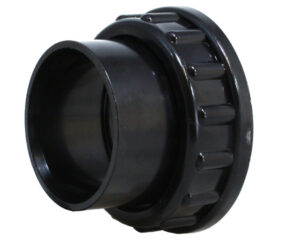


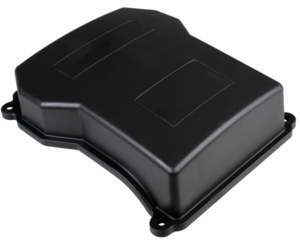


Espa pool and drainage pump parts
Espa is a pump manufacturer whose units are widely used in domestic water supply, drainage and swimming pool installations across Europe. Pumps from the range are often found alongside a pool rather than inside the filtration circuit itself: emptying a pool or spa at the end of the season, clearing rainwater from a cover, pumping out a flooded plant room or shifting the last few centimetres of water that a filtration pump can no longer reach. Because that work is occasional but heavy, the pumps themselves tend to outlast the smaller plastic and rubber components fitted to them, which is where replacement parts come in.
Here you will find service parts for Espa equipment, listed by their original part numbers so that an item can be matched to a specific pump rather than ordered on appearance alone. At present the listing centres on the Wiper3 and the faceplate with drainage plug, reference 11100812.
The Wiper series and the faceplate
The Wiper models are compact portable pumps intended for moving water, and the faceplate is the plate that closes off the pump body on the side where water is handled. On this type of unit the plate takes most of the knocks: it is the face that rests against the pool floor or the bottom of a sump, it is dragged across tiles and concrete, and it is the part that grit passes over every time the pump runs.
The version listed here includes the threaded drainage plug. That plug matters more than its size suggests. It allows residual water to be let out of the pump body before the unit is lifted, carried or put away, which keeps weight down and reduces the amount of standing water left inside over winter. A plug that has been cross-threaded, over-tightened or lost its seal is a common reason for replacing the plate as a whole rather than chasing individual fasteners.
Why faceplates and plugs are replaced
Wear on this part is usually mechanical rather than electrical, and it builds up slowly:
- Abrasion — sand, plaster dust and grit gradually thin the face that sits on the floor, especially on rough concrete or an unrendered sump base.
- Impact damage — a cracked rim or broken lug after the pump has been dropped or knocked against a step.
- Plug thread damage — stripped or deformed threads after the drainage plug has been forced, or corrosion on the plug itself.
- Leaks and weeping — water escaping around the plug once its seal has hardened, which usually shows as a drip while the unit is stored, not while it runs.
- Distortion — a plate that no longer seats flat, so the pump loses prime or draws air on shallow water.
Replacing the plate is generally a straightforward job with hand tools. The pump should be isolated from the mains and allowed to drain fully before anything is opened. It is worth noting the orientation of the plate and the position of any seal before removal, and refitting fasteners evenly so the plate pulls down flat rather than on one edge.
Identifying the correct part
Pump housings in a series often look alike while differing in the detail, so a visual match is not enough on its own. The most reliable route is the part number. Reference 11100812 corresponds to the Wiper3 faceplate with drainage plug; checking that number against the exploded view or parts list for the pump removes the guesswork.
Where no documentation is to hand, the following checks help:
- Model plate — read the exact model name and code from the label on the pump body, not just the family name.
- Exploded view — locate the plate by its position number on the drawing for that model and work back to the reference.
- Measurements — compare the outside diameter or width of the old plate, the bolt pattern and the number of fixings.
- Plug size — confirm the thread and head type of the drainage plug, and whether a separate seal or washer sits under it.
- Condition of mating parts — inspect the seal face on the housing while the plate is off, since a damaged face will leak with any new plate fitted.
Espa at PoolParthub.com
Here we list Espa service parts by their original references, so that a component can be ordered against the number printed in the parts documentation for the pump. The current listing covers the Wiper3 faceplate with drainage plug, reference 11100812, aimed at owners keeping a working pump in service rather than replacing the whole unit over one damaged plastic part.
Spares for portable pumps are easy to overlook until the pump is needed, which is usually the day a pool has to be emptied. Keeping the identification details of the unit — model name, code and the relevant position number from the exploded view — alongside the pump makes reordering far quicker when a plate or plug finally gives up.