


Netafim
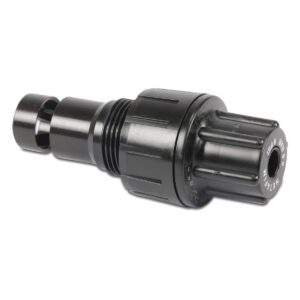
Netafim pressure regulators for low-pressure water lines
Here you will find the Netafim parts kept for water lines that need a steady, modest outlet pressure instead of whatever the pump happens to be pushing at that moment. Netafim is a name most installers meet first in drip and micro-irrigation, and the same small inline components turn up around pools and gardens wherever a feed has to be calmed down before it reaches emitters, misting nozzles, dosing equipment or any other fitting that is not built for mains or pump pressure.
The range here is deliberately narrow. Rather than listing dozens of near-identical items, the focus is on the regulator sizes and preset pressures that come up again and again in domestic and light commercial installations, so that the part you order matches the thread already on the pipe.
What an inline pressure regulator actually does
A fixed-setting regulator sits in the line and holds the downstream pressure close to a single preset value, provided the inlet pressure is above that value and the flow stays within the range the device is designed for. The pressure upstream may rise and fall as a pump cycles, as other outlets open and close, or as a filter gradually loads up. Downstream of the regulator, the equipment sees something far more constant.
That matters because low-pressure fittings behave badly when they are over-pressurised. Common symptoms are:
- Blown emitters and nozzles — push-fit drippers and micro-sprinklers lift out of the tube or spray far beyond their intended pattern.
- Split tubing and popped barbs — thin-wall polyethylene line is rated for gentle pressure, not for a direct pump feed.
- Uneven distribution — the first emitters on a run take most of the water and the far end starves.
- Leaking joints — compression and barbed connections that seal perfectly at low pressure begin to weep once the line is over-pressured.
The PRV 2000 and how to read it
The Netafim PRV 2000 listed here is a preset regulator with a 0.6 bar outlet setting and a 3/4″ male thread, supplied in black. Each of those details is worth checking against your own installation before ordering, because a regulator that does not match is a regulator that will not seal or will not regulate.
- Outlet pressure — 0.6 bar is a low-pressure setting, intended for equipment specified in that region rather than for pressurised sprinkler circuits.
- Thread size — 3/4″ is measured as a nominal pipe thread, not across the plastic body with a tape measure. If in doubt, offer the existing fitting up to a known 3/4″ connector.
- Thread gender — this item is male, so it screws into a female socket, elbow, tee, valve outlet or threaded adaptor on the tube.
- Flow direction — regulators are directional. The body is marked, and fitting one backwards means it simply passes pressure through.
Fitting and keeping it working
Install a regulator downstream of the filter, not before it. Grit carried through an unfiltered line is the quickest way to leave a regulator stuck open or stuck closed. Keep the device accessible rather than buried, hand-tighten plastic threads with PTFE tape and avoid overtightening with a wrench, which is the usual cause of a cracked plastic hub.
Signs that a regulator has reached the end of its life include a downstream pressure that now tracks the pump instead of staying put, emitters that have begun to blow off the line, a visible crack or weep at the thread, or a sudden drop in flow that persists after the filter has been cleaned. Preset regulators cannot be re-adjusted, so a unit that no longer holds its setting is replaced rather than serviced.
Netafim at PoolParthub.com
Stocked here are Netafim low-pressure regulators in the thread sizes and preset pressures most often needed when an irrigation, misting or top-up line runs from a pool pump, booster or mains supply. They are listed by thread size and outlet pressure so the right one can be identified from the fitting already in the ground.
Everything is shipped across Europe. If the existing part is unmarked, measure the thread and note the pressure the downstream equipment is rated for before ordering, and compare those two figures with the product title — on a component this simple, those are the only two things that need to match.