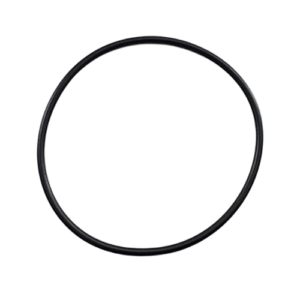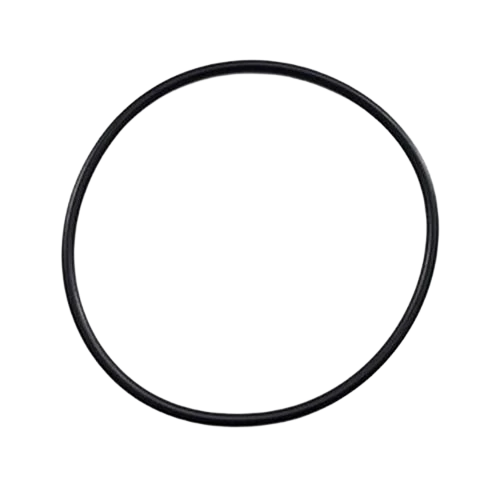
Zodiac replacement chlorinator O-ring sealing ring (2pcs.) - R0739000
 Shipping 1-2 weeks
 Certified online store
 Easy returns within 14 days
 Looking for advice?
Zodiac replacement chlorinator O-ring sealing ring R0739000
The Zodiac replacement chlorinator O-ring sealing ring R0739000 is the original electrode sealing gasket used in Zodiac salt water chlorinators.
These O-rings sit around the cell electrode and ensure a reliable, watertight seal between the electrode and the cell housing, preventing leaks and
protecting the electrical connections in the chlorinator cell.
Main features of the Zodiac R0739000 sealing ring
- Original Zodiac sealing O-ring for salt water chlorinator cells.
- Designed to seal the electrode inside the clear cell housing and prevent water leaks.
- Supplied as a pack of two O-rings for one cell assembly and a spare.
- Made from durable, chemical resistant elastomer suitable for salt water pools.
- Replaces previous Zodiac reference W150031 used on earlier cell models.
Compatibility and applications
This sealing ring is used on a wide range of Zodiac salt water chlorinators and MagnaPool systems. It is specifically designed for the electrode
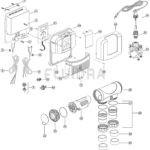
seating area and is listed as the electrode sealing O-ring in the spare parts diagrams.
- Zodiac TRi salt chlorinators.
- Zodiac TRi Expert and TRi Expert LS models.
- Zodiac eXO and eXO iQ salt chlorinators.
- Zodiac eXO iQ LS low salinity models.
- Hydroxinator and Hydroxinator iQ units (including MagnaPool versions).
If the exploded view or parts list for your chlorinator shows “electrode sealing O-ring” with reference R0739000, or if the old ring carries
the same reference, this spare part is the correct replacement.
Technical details
- Brand: Zodiac.
- Product type: Electrode sealing O-ring for chlorinator cell.
- Manufacturer reference: R0739000.
- Former reference: W150031 (replaced by R0739000).
- EAN: 9317545036267.
- Pack contents: 2 sealing O-rings.
- Application area: Seal between electrode and cell housing in Zodiac salt chlorinators.
- Typical medium: Salt water from residential pool systems.
When to replace the O-ring sealing ring
Over time, O-rings are exposed to temperature changes, chemical products and mechanical pressure from the cell unions. This can lead to flattening,
hardening or cracks that compromise the watertight seal.
- Visible cracks, cuts or deformation on the existing O-ring.
- Persistent drips or leaks around the electrode end of the cell housing.
- Signs of salt or scale deposits forming at the joint between the cell and electrode connection.
- O-ring has become hard or flattened and no longer provides elastic sealing force.
Replacing the worn O-ring with a new Zodiac R0739000 sealing ring restores the original watertightness of the cell and helps protect both the
electrode and the electronic parts of the chlorinator.
Installation guidelines
Fitting the new O-ring is straightforward and can usually be done during routine maintenance or when the electrode is replaced.
- Switch off the filtration pump and isolate the chlorinator from the power supply.
- Close the relevant valves and relieve pressure in the line before opening the cell housing.
- Remove the clear cell from the pipework if necessary and gently slide out the electrode assembly.
- Take off the old O-ring from the electrode or housing, noting its exact position and seating groove.
- Clean the sealing surfaces and remove any scale, dirt or old lubricant residues.
- Fit the new Zodiac R0739000 O-ring in the same groove, ensuring it sits evenly without twisting.
- Reinsert the electrode, reassemble the cell and tighten the unions by hand to compress the seal correctly.
- Restart the filtration system and inspect the cell area closely to confirm that there are no leaks.
Care and good practice
Correct handling of the O-ring and cell assembly extends the life of the new seal and your chlorinator cell.
- Avoid using aggressive tools or sharp objects near the O-ring when opening the cell.
- Do not overtighten unions; excessive mechanical stress can damage the seal and the housing.
- If a lubricant is used, choose a silicone based product compatible with pool O-rings and apply only a thin film.
- Inspect the O-ring at the start of each season and replace it preventively if it shows signs of ageing.