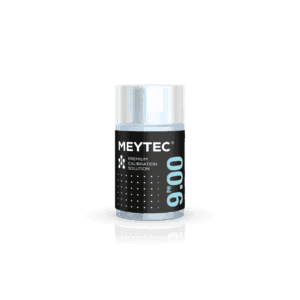
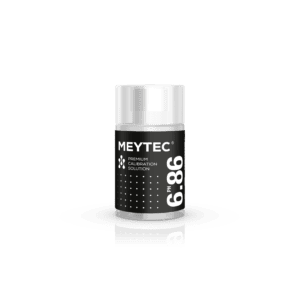
Buffer solutions for accurate pool water calibration
Every dosing decision you make for chlorine, pH correction or salt level is based on your test results. If the meter is not calibrated correctly, even a premium instrument will provide misleading readings. Buffer solutions provide a stable, known reference value that allows your meter to be adjusted precisely, ensuring that displayed values truly reflect the condition of your pool water.
In practice, this means a correctly calibrated meter helps you avoid underdosing (with the risk of algae and bacterial growth) as well as overdosing (which can cause irritation, corrosion and unnecessary chemical costs). Regular calibration with suitable buffer solutions is therefore a key step in any professional pool maintenance routine.
Types of buffer solutions for pool applications
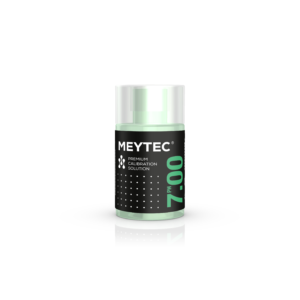
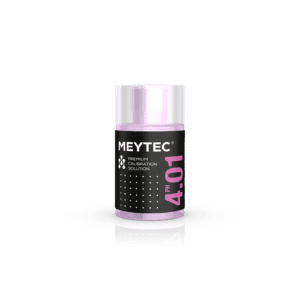
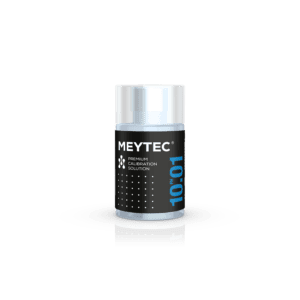
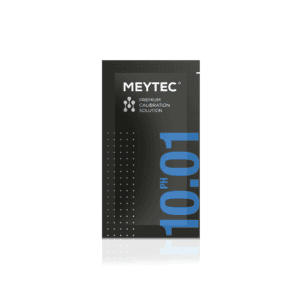
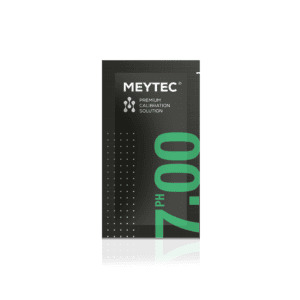
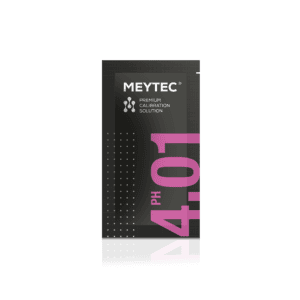
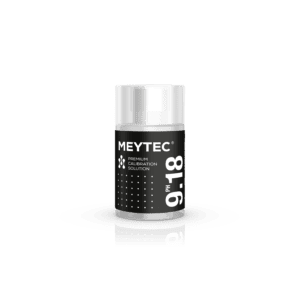
For pool and spa environments, the most commonly used buffer solutions are pH and Redox standards. pH buffer solutions are typically available at values such as 4.00, 7.00 and 10.00, with pH 7.00 often used as the primary calibration point for pool water, and pH 4.00 or 10.00 as a secondary point for higher precision.
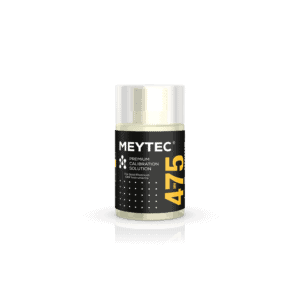
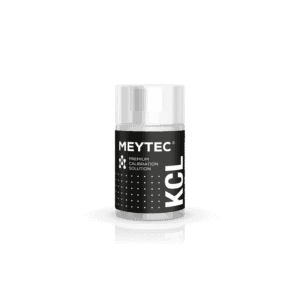
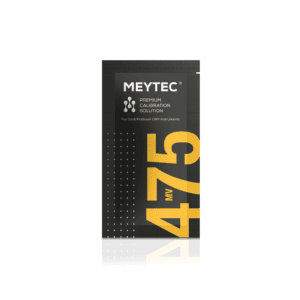
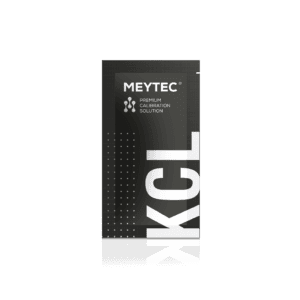
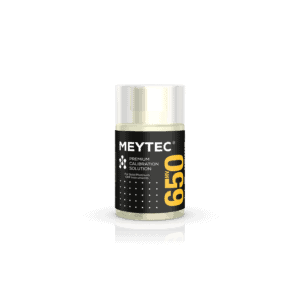
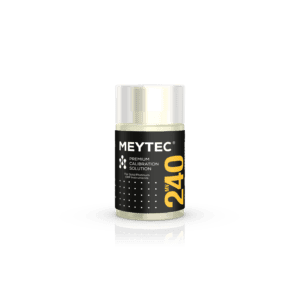
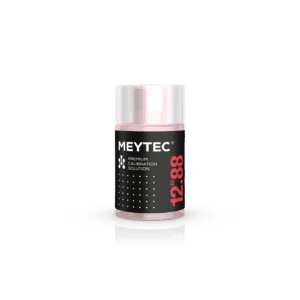
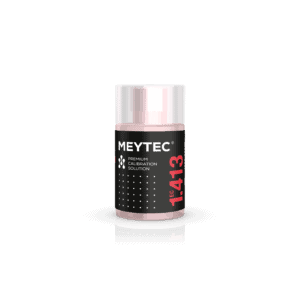
Redox (ORP) buffer solutions are used to verify and calibrate Redox probes that control chlorine production or dosage. In some setups, conductivity or TDS calibration solutions are also used for salt meters or controllers that monitor salinity. Within the buffer solutions category at PoolParthub.com you will find clearly labelled products with their exact nominal values and, where relevant, temperature reference tables.
A typical calibration set for pool use may include:
- pH 7.00 buffer solution for central calibration of pH meters
- pH 4.00 or 10.00 buffer solution for two-point calibration and increased accuracy
- Redox (ORP) standard solution for chlorine control systems
How to choose the right buffer solutions
Choosing the right buffer solutions starts with the type of meter or controller you are using. Most manufacturers specify which buffer values are recommended and whether a one-point or two-point calibration is required. For standard pool operation, a pH 7.00 buffer is almost always essential, and combining it with a second buffer (pH 4.00 or 10.00) improves linearity and accuracy across the working range.
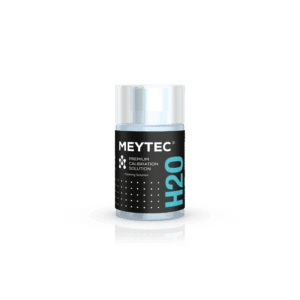
It is also important to consider packaging size and frequency of use. Smaller bottles are ideal if you calibrate infrequently and want to minimise the risk of ageing or contamination. Larger bottles make sense for service technicians or commercial facilities that calibrate multiple meters or carry out regular checks. On PoolParthub.com, product descriptions indicate typical application scenarios so you can quickly choose the format that fits your workflow.
Practical tips for using buffer solutions correctly
For consistent results, buffer solutions should be handled with the same care as the pool water samples you test. Always pour a small amount of buffer into a clean secondary container rather than inserting the probe directly into the stock bottle. This prevents contamination and prolongs the stability of the solution in the original packaging.
Rinse the probe with demineralised water between different buffer values and gently shake off excess droplets without wiping the glass membrane, as wiping can generate static charges or damage sensitive surfaces. Keep buffer bottles tightly closed when not in use and store them in a cool, shaded place away from direct sunlight and heat sources to maintain their specified properties.
Buffer solutions from PoolParthub.com
PoolParthub.com offers buffer solutions selected specifically for pool and spa professionals, with clear labelling, stable formulations and good compatibility with common pH, Redox and conductivity meters. Whether you maintain a private pool, manage multiple commercial installations or run a service business, the right buffer solutions help you work precisely and efficiently.
By integrating regular calibration with quality buffer solutions from PoolParthub.com into your maintenance routine, you strengthen the entire water treatment process: measurements become more reliable, chemical dosing more precise and pool water quality more consistent throughout the swimming season.