Zodiac flow detector complete with cable - R0792800
 Shipping 1-3 weeks
 Certified online store
 Easy returns within 14 days
 Looking for a spare part?
 Looking for advice?
Zodiac flow detector complete with cable R0792800
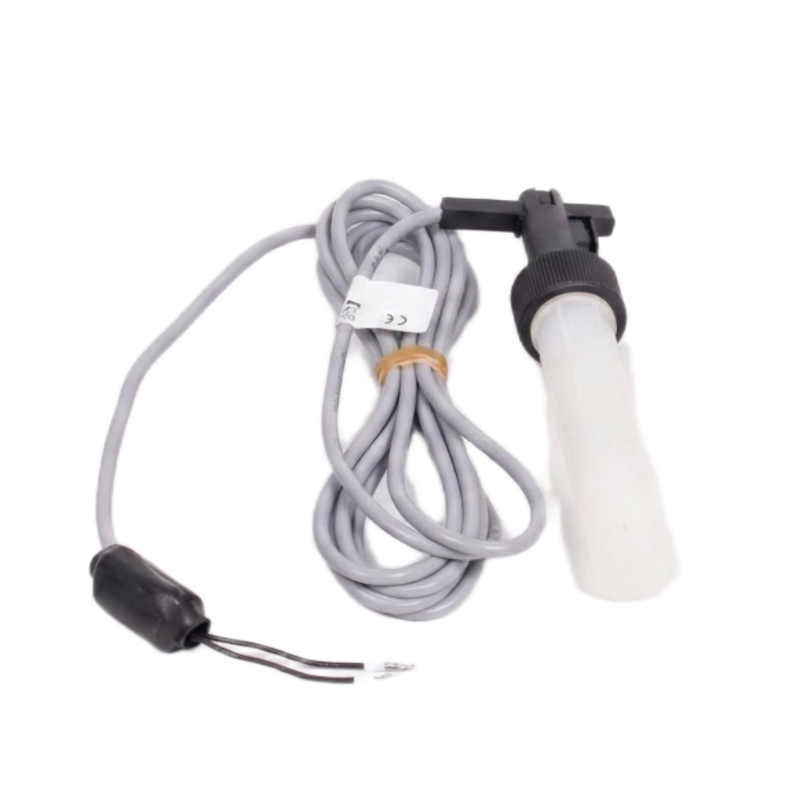
The Zodiac flow detector complete with cable R0792800 is the original Sika VKL05M flow switch used on Zodiac Tri, Tri Expert, Tri Expert LS and Hydroxinator
salt chlorinators produced from 2017 onwards. It continuously monitors water flow and stops chlorine production when the flow is insufficient, protecting
both the cell and the installation.
- Original Zodiac Sika VKL05M flow detector with pre wired cable.
- Designed for Tri, Tri Expert, Tri Expert LS and Hydroxinator units from 2017.
- Stops chlorine production automatically when flow is too low.
Main features of the Zodiac flow detector R0792800
- Complete flow switch assembly with factory fitted cable and connector.
- Original Sika VKL05M sensor designed for continuous use in pool pipework.
- Monitors water flow and activates the low flow safety function of the chlorinator.
- Specific version for units manufactured from 2017, with updated connection layout.
Compatibility and model overview
The R0792800 flow detector is used on Zodiac salt chlorinators that share the updated post 2017 hydraulic and electrical design. It replaces earlier
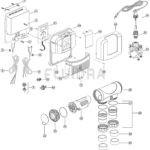
flow detector references on those newer models and is listed in the exploded view as “detector de caudal completo (+ cable) desde 2017”.
- Zodiac Tri 10, 18, 22 and 35 (post 2017 versions).
- Zodiac Tri Expert 10, 18, 22 and 35.
- Zodiac Tri Expert LS 10 and 18.
- Zodiac Hydroxinator MagnaPool units produced from 2017.
For chlorinators produced before 2017, the compatible flow detector is usually reference R0737500 with integrated 3.5 mm connector, so checking the
production year and parts list of the unit is important before ordering.
Function and safety role in the installation
The flow detector is a key safety component in a salt chlorination system. It confirms that there is sufficient water circulation through the cell
before allowing chlorine production. If the sensor detects no flow or very low flow, it sends a signal to the control unit to stop electrolysis.
- Prevents chlorine production when the filtration pump is off or water level is too low.
- Helps protect the cell against overheating and gas build up in the pipework.
- Supports safe operation in situations with blocked skimmers or closed valves.
- Reduces the risk of damage to plastic fittings near the cell due to dry running.
When to replace the flow detector
Like all moving or switching components in the hydraulic circuit, the flow detector can age over time. Mechanical wear, scale deposits and electrical
fatigue can cause the sensor to react incorrectly or not at all.
- Frequent low flow alarms even though the filtration pump and valves are correct.
- Chlorinator does not start chlorine production despite visible good circulation.
- No alarm when the pump is off or valves are closed, indicating the switch is stuck.
- Visible damage, corrosion or cracking on the sensor body or cable.
If these symptoms persist after checking pump performance, filter pressure and valve positions, replacing the sensor with a new Zodiac R0792800 flow
detector is usually the most reliable solution.
Installation guidelines
The Zodiac flow detector complete with cable R0792800 is installed in the return line, normally in a dedicated saddle clamp or threaded port near the
chlorinator cell. Installation should always be done with the system depressurised and the electrical supply isolated.
- Stop the filtration pump, close isolation valves and release pressure from the pipework.
- Disconnect the old sensor cable from the control unit and note its routing and connection points.
- Unscrew or remove the old flow detector from its fitting, catching any residual water.
- Inspect and clean the mounting point, replacing any sealing gasket or O ring if required.
- Install the new R0792800 sensor in the same orientation, following the indicated flow direction.
- Route the new cable along the existing path, avoiding sharp bends and hot surfaces, and reconnect it to the designated terminals or connector.
After reassembly, open the valves, restart the filtration pump and check for leaks at the sensor connection. Then power the chlorinator back on and
confirm that the flow status is detected correctly on the display.
Maintenance and good practice
Routine visual checks help to keep the flow detector working reliably throughout the season. Preventive cleaning can reduce false alarms and extend
the life of the sensor.
- Check the sensor area periodically for leaks, scale deposits or trapped debris.
- In hard water regions, inspect the flow switch more often and clean according to the manufacturer guidance.
- Avoid striking or using the sensor body as a lever when working on the surrounding pipework.
- Verify correct flow detection at the start of each season by observing the status on the control panel when the pump is on and off.
With a correctly installed Zodiac flow detector complete with cable R0792800 and regular checks of the filtration system, the Tri, Tri Expert,
Tri Expert LS or Hydroxinator chlorinator can operate with the level of flow safety intended by the manufacturer.